• Skip to main content
  • Skip to header right navigation
  • Skip to site footer
  • DONATE
  • SHOP
The Land Between

The Land Between

Explore - Learn - Inspire

  • About
        • Our Story
          • Our Goals
          • How We Operate
          • Staff and Council
          • Our Impact
          • Join Our Team
          • Partners and Supporters
        • About The Land Between Bioregion
          • Sacred Ecology
          • Natural Habitats
          • Wildlife & Species At Risk
          • People and Place
  • Projects
    • Blue Lakes
    • Working Watersheds
    • Turtle Guardians
    • Bird Buddies
    • Agwaamtoon Mshkiikii – Protecting Medicines
    • Native Gardens
    • Special Projects
  • Learning Centre
    • Consultation, Engagement, and Honouring Our Shared History
    • Living in the The Land Between
    • Invasive Species: Phragmites
    • Knowledge Circles
    • Community “Talks”
    • Regional Research
  • Get Involved
    • Wildlife Diary- Report a Species
    • Volunteer Nature Monitoring
    • Shop The Store
    • Donate
    • Work With Us
  • News & Events
    • Upcoming Events
    • Camps
    • TLB Blogs
    • The Skink Newsletter

Ogden's Pondweed

(Potamogeton x ogdenii)

Status: Endangered (ESA 2009, COSEWIC 2007)

Table of Contents:

  • Species Identification
  • Habitat and Biology
  • Threats/Reasons for Being at Risk
  • Conservation and Recovery Strategies
  • How You Can Help
Ogden's Pondweed
Photo by Jim Bennett: https://www.inaturalist.org/observations/52284026

Species Identification:

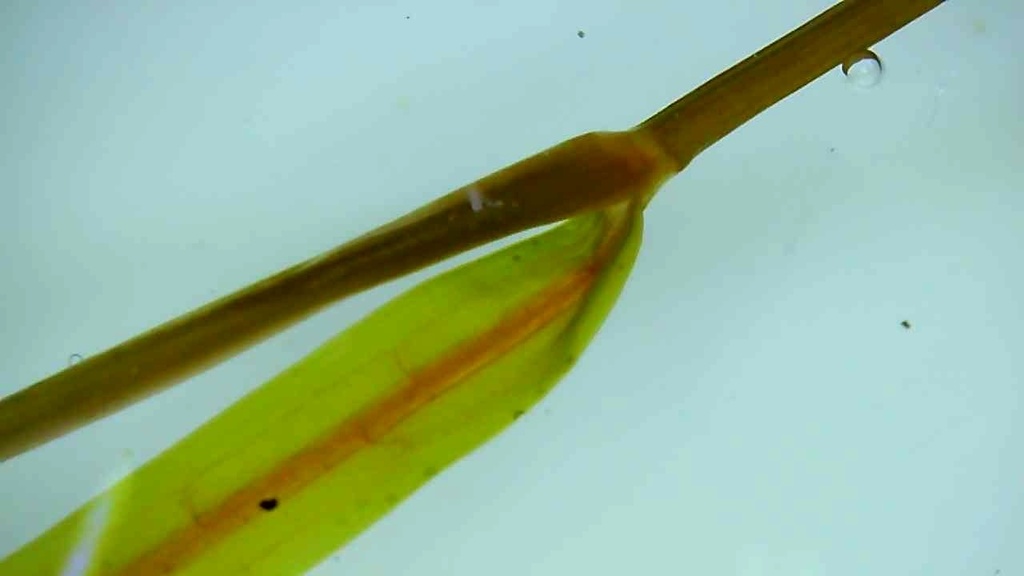
Ogden’s Pondweed is an annual, fully submerged aquatic plant species that has very thin, branch-like stems. It has very narrow leaves that are a greenish-brown in colour and are 5-7 cm long. They can occasionally produce fruit in the shape of a spike that is 5-11 mm long. This species can be very hard to distinguish between other Pondweed species and generally grows near these other species.

Habitat and Biology:

This species is considered to be rare globally. It only occurs in the United States at 2 sites in western Connecticut, 3 sites in central New York, 2 sites in central Vermont, and 2 sites in western Massachusetts. In Canada, this species is only found at 2 sites in southeastern Ontario. These sites are located south of Perth at Murphy’s Point Provincial Park and Davis Lock 38 on the Rideau Canal. These sites can be found in the very southeastern part of The Land Between.
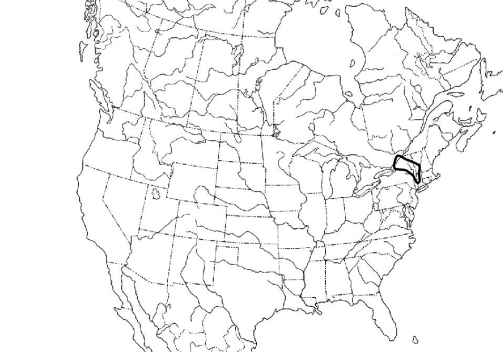
Map taken from Government of Canada: https://www.registrelep.gc.ca/virtual_sara/files/cosewic/sr_potamogeton_ogdenii_e.pdf
Photo by Jim Bennett: https://www.inaturalist.org/observations/52284026

Ogden’s Pondweed prefers the clear waters of lakes, ponds, and slow-moving streams. It can also commonly be found with many other Pondweed species, which makes it very hard to distinguish and identify. This species is also thought to prefer hard alkaline water, since both Ontario sites are found by marble bedrock. More research is needed to identify other possible populations, but also other habitat requirements since not much is currently known. 

Ogden’s Pondweed reproduces by seeds and the production of winter buds, which are called turions. Fruit can be found in the mid-summer months and turions replace them in the fall. Seeds and winter buds are dispersed by either water or waterfowl.
Back to top of page

Threats/ Reasons for being at Risk:

1. Habitat loss: Beaver ponds are a preferred habitat type for Ogden’s Pondweed, but they are becoming less and less available as beavers are persecuted by humans and ponds are drained for development. Other water bodies are also impacted by development, especially shoreline development. Cottagers are also likely to remove aquatic vegetation that grows near their shoreline, and boat propellers commonly shred aquatic vegetation as they pass by.

2. Invasive species: Invasive species like Eurasian water-milfoil and European Frogs-bit, which are commonly found in the same areas as Pondweed and are known to outcompete this species for space and resources.

3. Recreational activities: Shoreline areas are commonly dredged and disturbed to remove aquatic vegetation like Pondweed in order to accommodate recreational activities like swimming, boating, and for aesthetic purposes. Boat traffic can also shred aquatic vegetation and disturb habitats.

Photo by Jim Bennett: https://www.inaturalist.org/observations/52284026

Conservation and recovery strategies:

Not much is known about Ogden’s Pondweed so it is very important to continue vital research on the location, biology, and habitat requirements of this species. The Government of Ontario has plans to continue to locate other areas where this species may be growing- since it grows underwater with other Pondweed species it can be very hard to identify. Where known locations are, further research will be put into place to determine size, habitat, population dynamics, and threats. Habitat is automatically protected where Ogden’s Pondweed is found, and there are plans in place to rehabilitate current and future habitats.

How can you help?

  1. Report any potential sightings of Ogden’s Pondweed to The Land Between’s website, iNaturalist, or the Natural Heritage Information Centre with photos and coordinates.
  2. Stay away from heavily vegetated areas when out on the water with motorized boats.
  3. Keep wetlands natural on your property and avoid using harmful chemicals in these areas.
  4. Volunteer with local organizations, nature clubs, or Provincial parks that participate in surveys or stewardship programs with Species at Risk.

Additional Resources:

  • Government of Ontario’s Ogden’s Pondweed SAR page
  • Learn to identify Ogden’s Pondweed and other cool plant species on iNaturalist
  • New York Natural Heritage Program’s information page
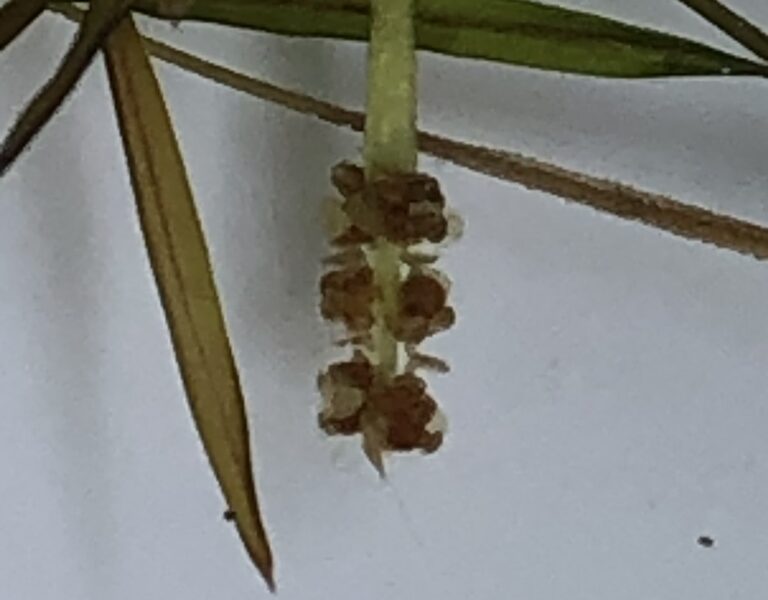
Photo by Jim Bennett: https://www.inaturalist.org/observations/52284026

Sources:

Government of Ontario. 2014. Ogden’s Pondweed. Retrieved from: https://www.ontario.ca/page/ogdens-pondweed

COSEWIC. 2007. COSEWIC assessment and status report on the Ogden’s pondweed potamogeton ogdenii in Canada. Committee on the Status of Endangered Wildlife in Canada. Ottawa. vi. + 19 pp. https://www.registrelep.gc.ca/virtual_sara/files/cosewic/sr_potamogeton_ogdenii_e.pdf

Back to top of page

Interested in learning more about Nature? Check out our blogs!

unnamed

How to be Fish-Friendly: Tips and Tricks for Responsible Recreational Fishing

May 24, 2024

How to be Fish-Friendly: Tips and Tricks for Responsible Recreational Fishing By Angela Vander Eyken For many, casting a line out on a calm lake sounds like the perfect way …

Read More
IMG_2443

The Essential Link Between Lake Health, Calcium, Forests and Forest Floor Ecology

March 1, 2023

The amount of calcium (Ca) in our freshwater lakes is seeing a major reduction. This is due to the lack of calcium in our forest floor from acid rain and …

Read More
tim-wilson-IYMSWnpPaFU-unsplash

The Humble Muskrat: Is He Disappearing?

March 1, 2023

Muskrats are often an overlooked species in the Land Between region and are frequently seen as pests. However, muskrats are actually beneficial and have great cultural, ecological, and economic importance.  …

Read More
Ducks at Gelert

The Land Between: Regaining Our Balance With Biodiversity

February 28, 2023

​​The State of Ontario’s Biodiversity 2020: Summary is an information-rich review of the most recent biodiversity research in Ontario. The summary addresses areas in which we have succeeded in improving …

Read More
9_Ron Reid

Plants That You and Your Shore Will Love

February 27, 2023

  Have you ever admired a shoreland garden for its dynamic landscape that is rich with colour and teeming with life? You may have been admiring a shoreland garden that …

Read More
Jaclyn SAR backgrounds

Wetlands are Wonderous

October 24, 2022

Written by Jaclyn Adams There are four different types of wetlands in The Land Between: bogs, fens, swamps, and marshes. Within The Land Between, 14% of the area are wetlands, …

Read More
Cat and bird

Keep Your Cats Indoors: Disappearing Birds

June 13, 2022

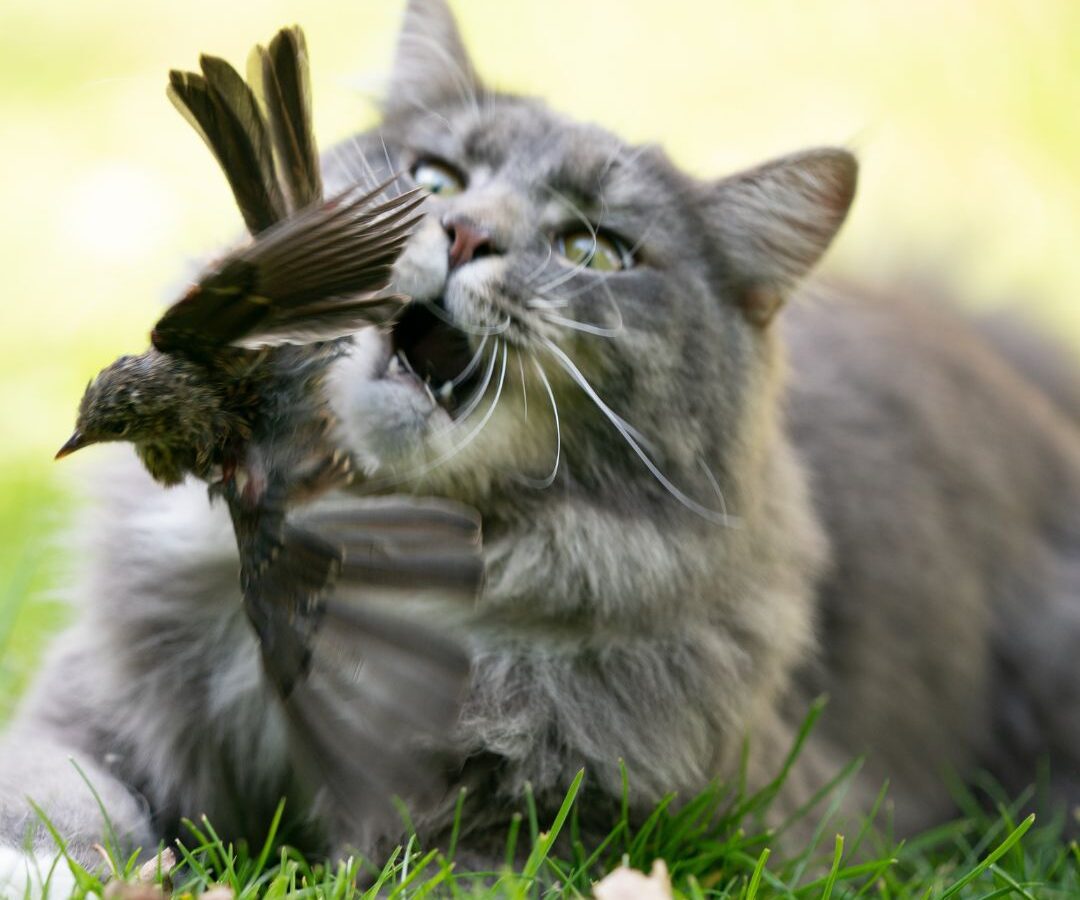
A study of 500 species of birds in Canada and the US was published in the prestigious journal Science in September 2019. It found that in the last 50 years, 3 …

Read More
Kennebec Wetlands square

Kennebec Wetlands Are The Best

June 13, 2022

Recent media attention has reported that a study by environmental scientists Cheng and Basu at the University of Waterloo has found that smaller wetlands are more beneficial to the landscape …

Read More
Forest logs

Environmentalism and Populism

June 13, 2022

There is a growing tendency for environmentalists (and their commentators) to avoid input from ‘experts’ and instead to use popular opinion as evidence. The belief, supported by ‘social media’, is …

Read More
Roads

Creeping Impacts

June 10, 2022

Talk of our impacts on the environment often seems to suggest that the only important impacts are big, severe and obvious. Don’t believe it. Environmental impact statements sometimes have trouble …

Read More


  • Home
  • The Region
  • The Charity
  • Shop
  • Donate


The Land Between is a National Charity #805849916RR0001.

Your support helps us celebrate, conserve, and enhance this important region. You can reach us at:

P.O. Box 1368, Haliburton, ON K0M 1S0
705-457-1222 | info@thelandbetween.ca

We respectfully acknowledge that The Land Between is located within Williams Treaty 20 Mississauga Anishinaabeg territory and Treaty 61 Robinson-Huron treaty territory, in the traditional territory of the Anishinaabeg. We respectfully acknowledge that these First Nations are the stewards and caretakers of these lands and waters in perpetuity and that they continue to maintain this responsibility to ensure their health and integrity for generations to come.

Copyright © 2022 The Land Between