
Caring for Nature Blogs
These blogs will address various topics about how we can connect with and preserve nature in our communities.

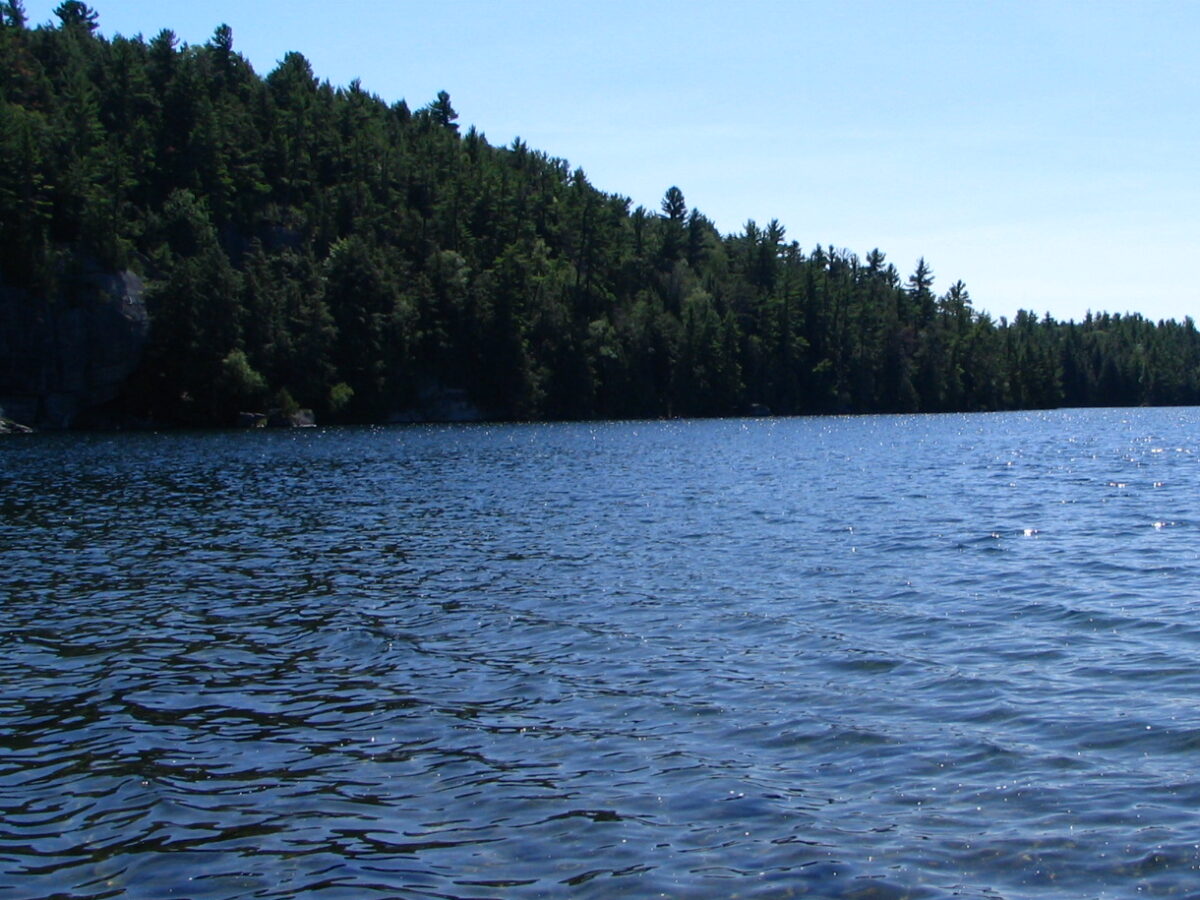





How to be Fish-Friendly: Tips and Tricks for Responsible Recreational Fishing
How to be Fish-Friendly: Tips and Tricks for Responsible Recreational Fishing By Angela Vander Eyken For many, casting a line out on a calm lake sounds like the perfect way …

The Essential Link Between Lake Health, Calcium, Forests and Forest Floor Ecology
The amount of calcium (Ca) in our freshwater lakes is seeing a major reduction. This is due to the lack of calcium in our forest floor from acid rain and …

The Humble Muskrat: Is He Disappearing?
Muskrats are often an overlooked species in the Land Between region and are frequently seen as pests. However, muskrats are actually beneficial and have great cultural, ecological, and economic importance. …
The Land Between: Regaining Our Balance With Biodiversity
The State of Ontario’s Biodiversity 2020: Summary is an information-rich review of the most recent biodiversity research in Ontario. The summary addresses areas in which we have succeeded in improving …
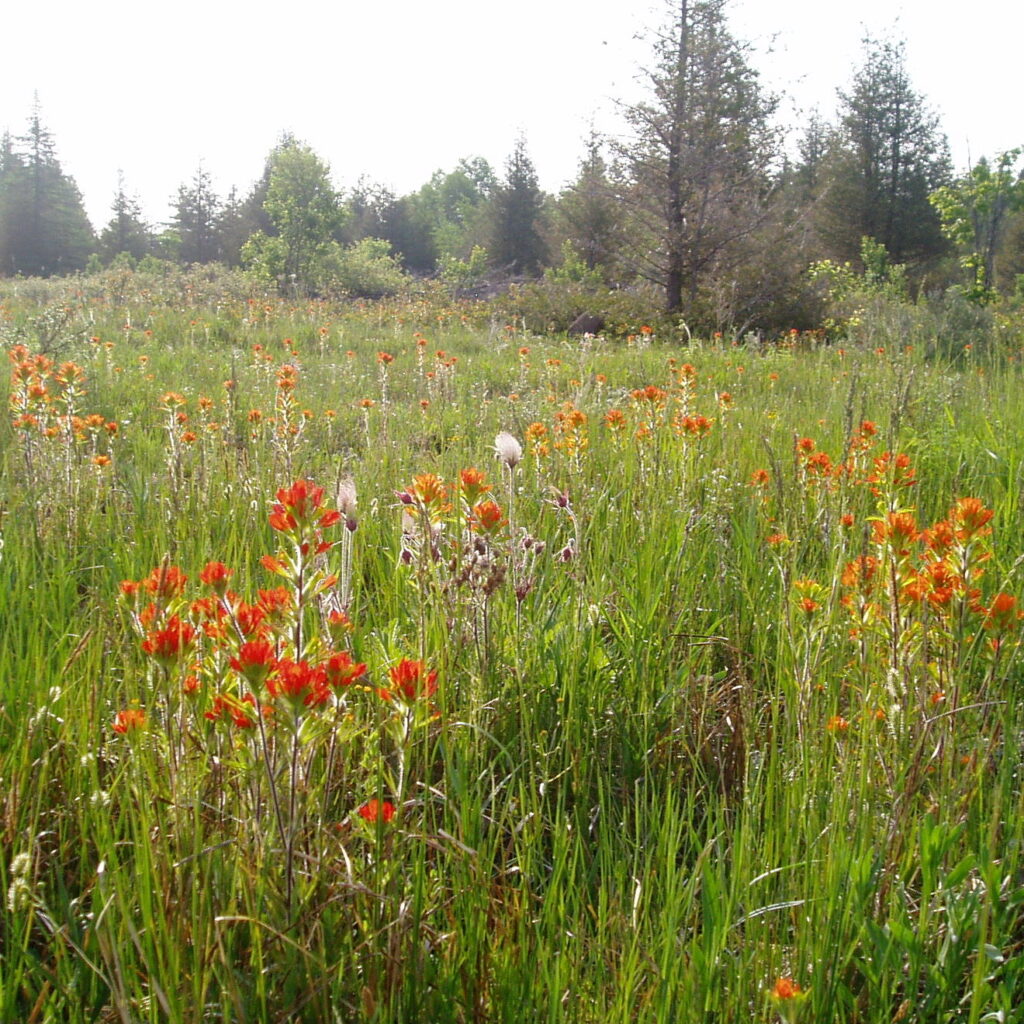
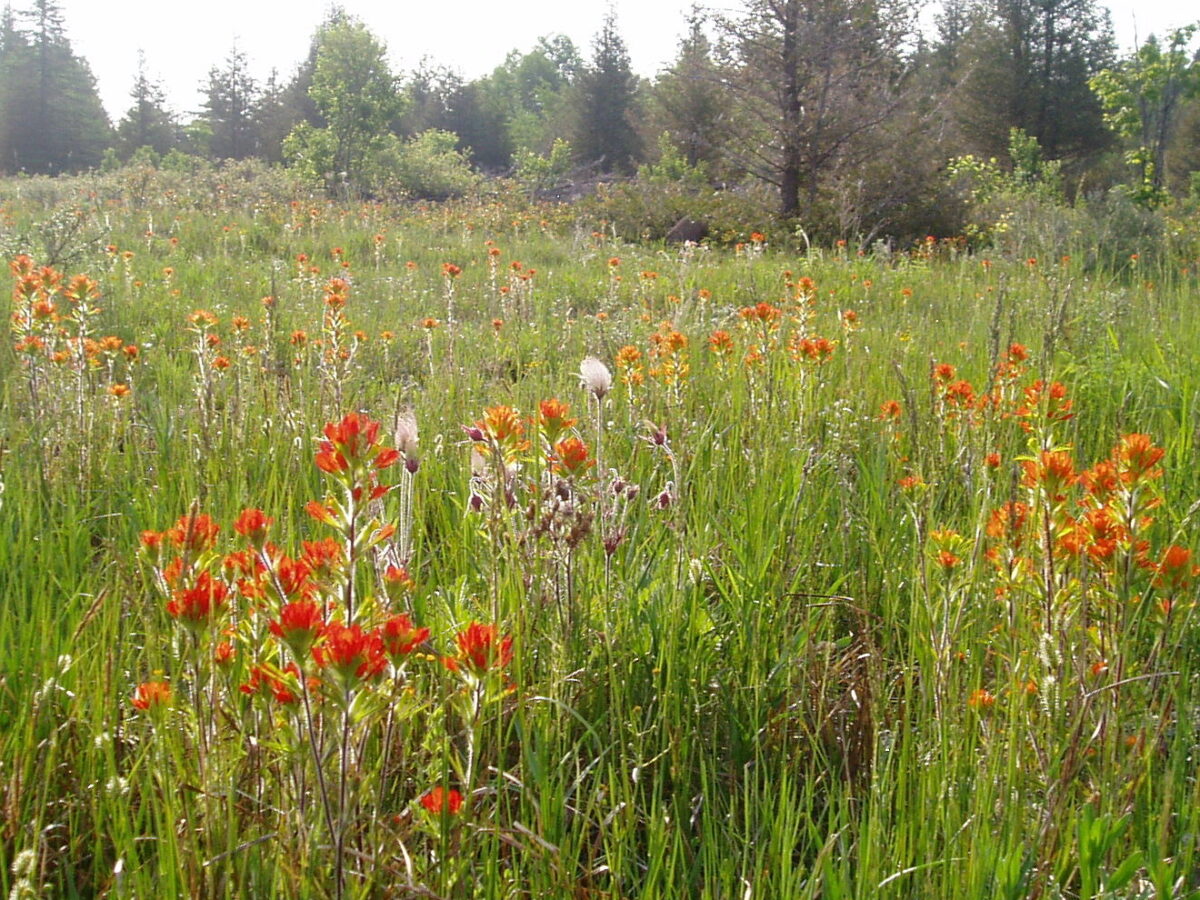
Plants That You and Your Shore Will Love
Have you ever admired a shoreland garden for its dynamic landscape that is rich with colour and teeming with life? You may have been admiring a shoreland garden that …
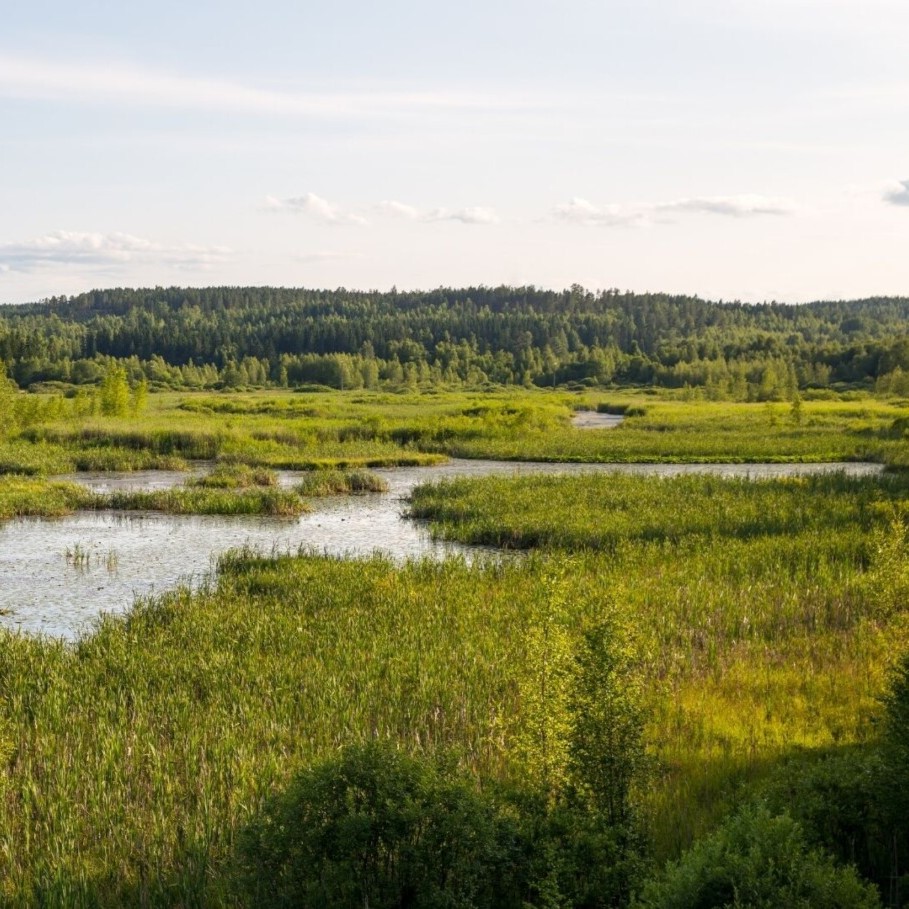
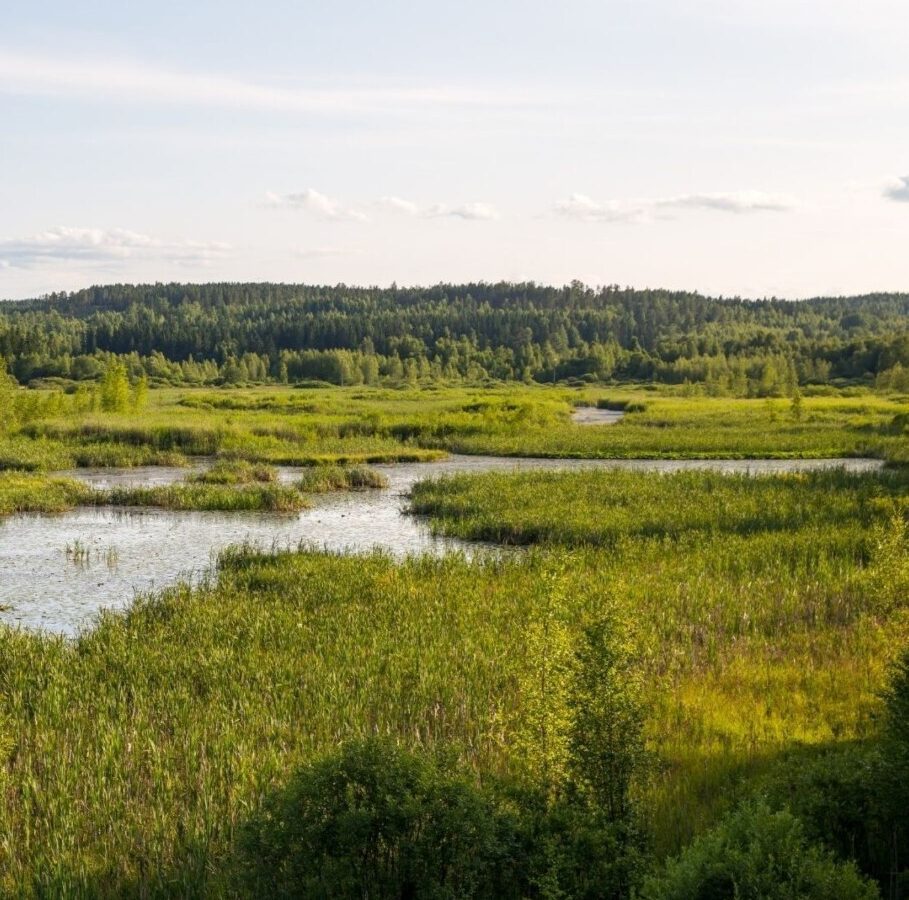
Wetlands are Wonderous
Written by Jaclyn Adams There are four different types of wetlands in The Land Between: bogs, fens, swamps, and marshes. Within The Land Between, 14% of the area are wetlands, …

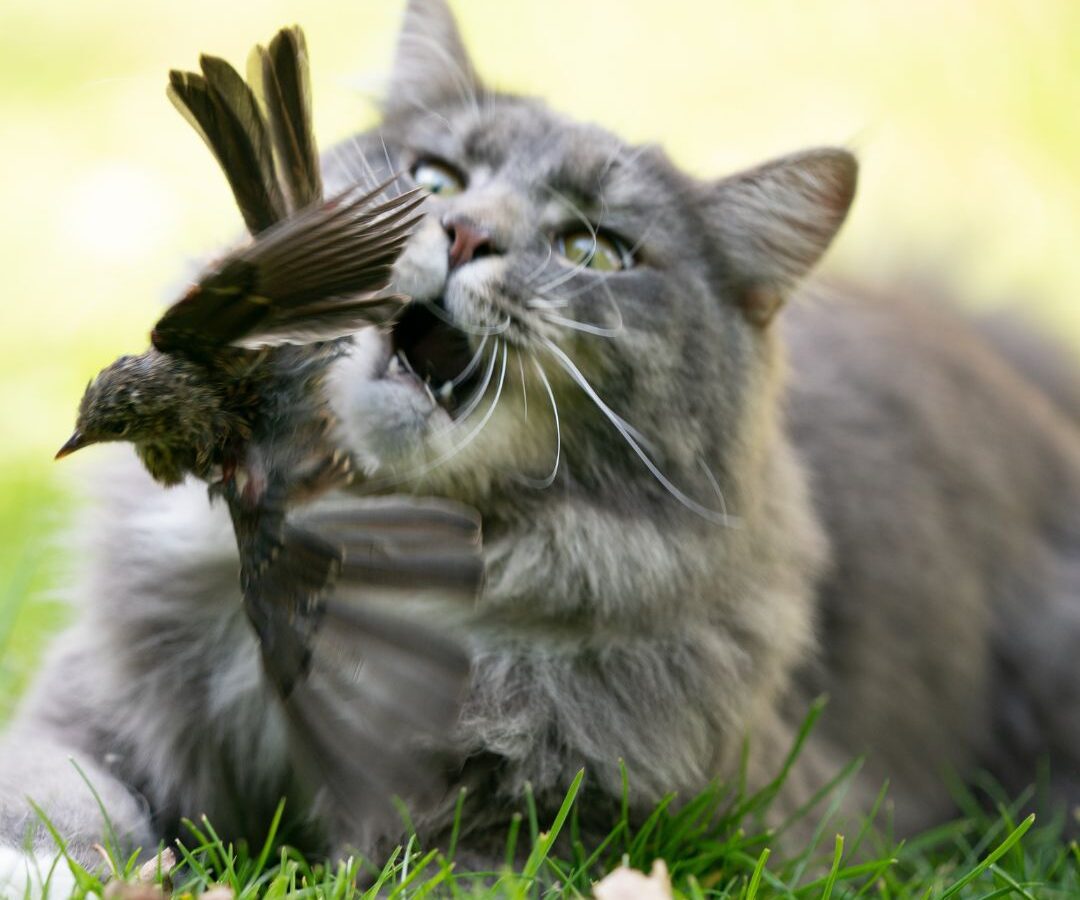
Keep Your Cats Indoors: Disappearing Birds
A study of 500 species of birds in Canada and the US was published in the prestigious journal Science in September 2019. It found that in the last 50 years, 3 …
Kennebec Wetlands Are The Best
Recent media attention has reported that a study by environmental scientists Cheng and Basu at the University of Waterloo has found that smaller wetlands are more beneficial to the landscape …
Environmentalism and Populism
There is a growing tendency for environmentalists (and their commentators) to avoid input from ‘experts’ and instead to use popular opinion as evidence. The belief, supported by ‘social media’, is …